Tooth Extractions Thornhill
Professional & Gentle Tooth Extractions
Sometimes a tooth cannot be saved due to severe damage or infection. When that happens, our experienced dental team safely removes it to eliminate pain, halt advancing infection, and protect your long-term oral health.
When Is an Extraction Necessary?
We only recommend removing a natural tooth as a last resort. Our dentists at Promenade Village Dental in Thornhill will perform a comprehensive physical evaluation and take digital X-rays to plan the ideal approach.
Severe Tooth Decay
When deep dental decay has advanced too far for standard root canals, fillings, or dental crowns to repair.
Advanced Gum Disease
Severe periodontal infections can steadily destroy supporting jawbone structures, causing teeth to come loose.
Severe Structural Breaks
If an accidental crack or structural break extends deep beneath your natural gumline, the tooth often cannot be saved.
Third Molars
Wisdom Teeth Removal
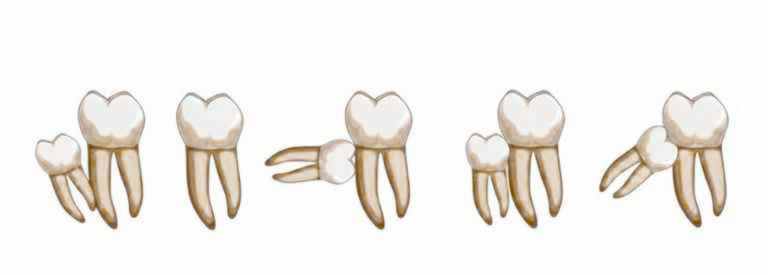
Wisdom teeth are the last to arrive, usually during your late teens or early twenties. Because they often lack sufficient structural space, they frequently grow at abnormal, hazardous angles or become fully trapped beneath your gum tissues.
The exact angle of growth impacts our extraction technique. Some third-molar extractions remain perfectly routine, while others require specialized minor oral surgery.
What Happens During Your Extraction
Understanding the tactical steps of your appointment helps alleviate anxiety and prepares you for a smooth treatment session.
Step 1: Numbing and Comfort Prep
We deliver local anesthesia to completely freeze the target tooth and surrounding bone. For anxious patients, we offer safe custom dental sedation choices like laughing gas or IV sedation to ensure full relaxation.
Step 2: Smooth and Gentle Removal
Once the freezing has fully set, we delicately loosen and extract the tooth. If it is firmly anchored or broken, we may remove it in small, clean segments. You will feel zero sharp pain, only minimal structural pressure.
Step 3: Immediate Cleansing & Wound Care
We cleanly sterilize the open socket, apply sterile cotton gauze pads to stem bleeding, and may add small dissolving stitches to facilitate a rapid, seamless healing process.
Taking Care of Yourself After Treatment
Following our post-operative instructions ensures the foundational protective blood clot fills the socket, effectively preventing complications like dry socket.
Pain Control
Comfort & Swelling
- Take recommended anti-inflammatory medicine like ibuprofen exactly as guided.
- Place an ice pack against your outer cheek for the first 24 hours to mitigate facial swelling.
- Run cold therapy on a regular intervals loop of 20 minutes on, 20 minutes off.
Diet Routine
What to Eat & Drink
- Consume soft options like smooth yogurt, cool applesauce, mashed potatoes, and blended smoothies.
- Crucial: Do not use drinking straws. The localized vacuum suction can dislodge the vital blood clot.
- Keep the site clean by gently rinsing with warm salt water after the first 24 hours have elapsed.
Things to Watch For
While tooth extractions are common, safe procedures, being aware of recovery milestones helps you monitor your healing timeline accurately.
| Potential Risk | Clinical Explanation |
|---|---|
| Dry Socket | The protective blood clot sheds prematurely, leaving bone exposed. Highly treatable but requires a clinic visit. |
| Infection Signs | Caused by introduced food debris. Call immediately if you notice a fever, foul tastes, or escalating pain. |
| Nerve Sensitivities | Rare temporary numbness may occur in the lower lip, chin, or tongue if roots are intertwined with deep nerves. |
| Long-term Bone Loss | Leaving missing tooth gaps triggers jawbone shrinkage over time. We can discuss replacement implants or bridges. |
Please share your complete medical history and a full list of your routine health medications or supplements with Dr. Shima Parhizgar during your preparation window to ensure absolute safety during treatment.